The Prospects and Challenges of Electric Vehicle Adoption in Rwanda
Rwanda’s automotive market is gradually embracing electric vehicles in Rwanda (EVs) as part of the country’s broader commitment to sustainable development and environmental conservation. The transition from internal combustion engines to electric mobility presents both exciting opportunities and notable challenges for Rwandan consumers. Understanding these factors is crucial for potential buyers considering this emerging technology in the local context.

Advantages of EV Ownership in Rwanda
The most compelling benefit of electric vehicles lies in their significantly lower operating costs compared to traditional petrol or diesel vehicles. With Rwanda’s electricity prices remaining relatively stable, EV owners can achieve substantial savings on fuel expenses over time. Environmentally conscious drivers will appreciate the zero tailpipe emissions that contribute to cleaner air in urban areas like Kigali, aligning with national efforts to combat climate change. The Rwandan government has implemented supportive policies to encourage EV adoption, including tax exemptions on imported electric vehicles and reduced import duties, making them more financially accessible. From a maintenance perspective, EVs offer distinct advantages with fewer moving parts, eliminating the need for oil changes and reducing wear on components like brakes through regenerative braking systems. The driving experience itself is notably quieter and smoother, particularly suited to urban commuting in Rwanda’s capital.
Challenges Facing EV Adoption
Despite these benefits, several barriers currently limit widespread EV adoption in Rwanda. The most significant hurdle remains the high upfront cost of electric vehicles, with purchase prices substantially higher than comparable conventional vehicles due to expensive battery technology. Infrastructure limitations present another challenge, as charging stations remain concentrated primarily in Kigali, making long-distance travel potentially inconvenient. Charging times also differ markedly from traditional refueling, requiring anywhere from 30 minutes at fast-charging stations to several hours for home charging. The selection of available EV models in Rwanda remains limited compared to traditional vehicles, restricting consumer choice. Long-term concerns about battery degradation and replacement costs, along with occasional electricity reliability issues, add further considerations for potential buyers.

Market Availability and Future Outlook
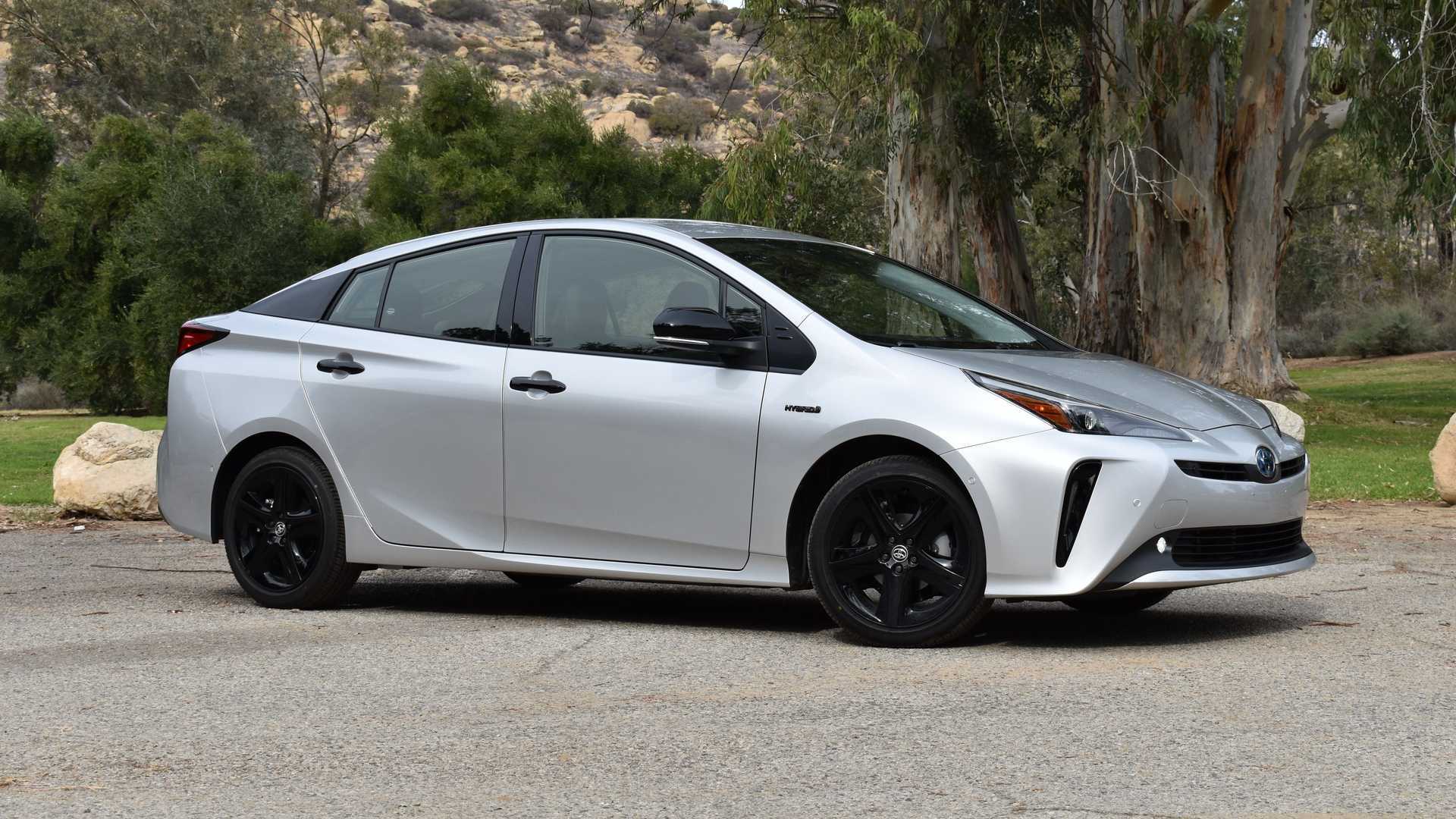
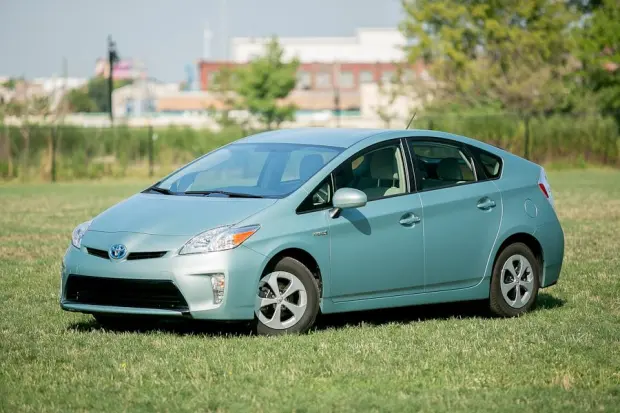
The Rwandan EV market currently features several compelling options, including the Hyundai Sonata Hybrid, Toyota Prius, and various Chinese models like the BYD e6 and MG ZS EV. These vehicles offer varying combinations of range, features, and price points to suit different consumer needs. As charging infrastructure expands and battery technology improves, many of the current limitations are expected to diminish. For now, EVs represent an excellent choice for urban dwellers with access to charging facilities and shorter commute requirements, while those needing frequent long-distance travel or operating with tighter budgets may want to wait for further market development. The growing availability of pre-owned EVs through platforms like KigaliRides.com is helping to bridge the affordability gap, making electric mobility increasingly accessible to Rwandan consumers.
Conclusion
Electric vehicles in Rwanda present a compelling yet nuanced proposition. While they offer significant environmental benefits and long-term cost savings, practical considerations around infrastructure and upfront costs remain important factors. As the market matures and supportive policies continue to evolve, Electric Vehicles in Rwanda are poised to play an increasingly prominent role in transportation landscape. Prospective buyers should carefully evaluate their specific needs, driving patterns, and access to charging facilities when considering the transition to electric mobility. With thoughtful planning and consideration of both the advantages and current limitations, EV ownership can be a rewarding and forward-thinking choice for Rwandan motorists.